How Much Do Piano Lessons Cost in the Bay Area?
By Choupak Piano Studio
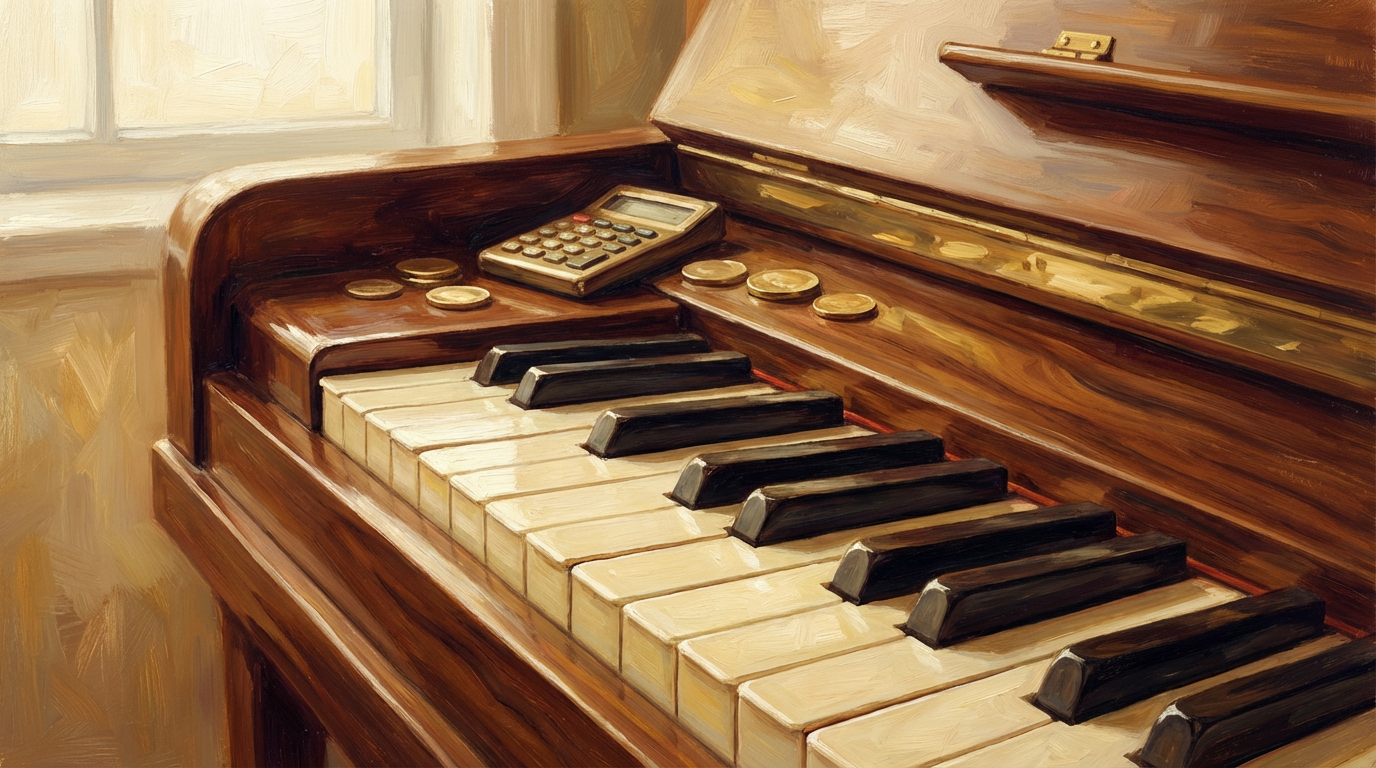
If you’re looking for private piano lessons in the Bay Area, one of the first questions you’ll have is: how much should I expect to pay? The short answer is that pricing varies widely — but understanding why can help you make a more informed decision.
Typical Price Range for Private Piano Lessons
In the greater San Francisco Bay Area — including cities like Cupertino, Sunnyvale, San Jose, Palo Alto, and Los Altos — private piano lessons typically range from $60 to $150+ per hour in 2026. Here’s a general breakdown:
- $60–$80/hour: Often college students, recent graduates, or teachers with limited experience. May teach from a student’s home or a shared studio space.
- $80–$110/hour: Experienced teachers with several years of teaching, often with a music degree. May or may not prepare students for competitions or exams.
- $110–$150+/hour: Highly experienced teachers with advanced degrees (Master’s or Doctorate in Piano Performance), extensive competition coaching records, and specialized curriculum. These teachers typically have waitlists and accept students selectively.
At Choupak Piano Studio, lessons are $130 per 60-minute session, billed monthly. This reflects the level of instruction, curriculum customization, and competition/exam preparation that our students receive.
What Affects the Cost of Piano Lessons?
Teacher Credentials and Experience
A teacher with a Master’s Degree in Piano Performance and 20+ years of teaching experience will charge more than a college student offering lessons on the side — and for good reason. Advanced training translates directly into the quality of instruction, particularly for intermediate and advanced students who need guidance on interpretation, technique, and performance preparation.
Lesson Length
Most studios offer 30-minute, 45-minute, or 60-minute lessons. Shorter lessons are common for very young beginners, but 60-minute sessions are the standard for serious study. They allow enough time to cover technique, repertoire, theory, and sight-reading in a single session without rushing.
Curriculum Depth
Some teachers follow a general approach with method books. Others — particularly those preparing students for competitions and certification exams like CM, ABRSM, or RCM — develop customized curricula that require significantly more preparation time outside the lesson itself.
Location
The Bay Area’s cost of living is among the highest in the country, which naturally affects pricing. Teachers in Cupertino, Palo Alto, and Los Altos tend to charge at the higher end of the range compared to teachers in more affordable parts of the Bay Area.
Studio vs. In-Home
Teachers who maintain a dedicated studio (whether a home studio with a quality grand piano or a commercial space) often charge more than those who travel to the student’s home. The advantage of a proper studio is access to a professional instrument and a focused learning environment.
What Should You Actually Be Paying For?
Price alone doesn’t tell the full story. When evaluating piano lessons, consider what’s included:
- Customized curriculum tailored to the student’s level, strengths, and goals
- Competition and exam preparation (MTAC, CAPMT, ABRSM, CM, RCM)
- Recital and performance opportunities throughout the year
- Theory and sight-reading integrated into every lesson
- Communication with parents about progress and practice expectations
A lower-priced lesson that covers only basic repertoire may not serve a student who wants to compete, pass certification exams, or eventually pursue music at a higher level. Conversely, the most expensive option isn’t automatically the best — look at the teacher’s track record, their students’ achievements, and whether their teaching style is a good fit for your child.
How to Evaluate Value
Rather than focusing on the hourly rate, ask yourself:
- Is my child making measurable progress? Can they play pieces that are progressively more difficult? Are their technique and musicality improving?
- Are they developing good practice habits? A great teacher doesn’t just teach pieces — they teach students how to practice effectively on their own.
- Are they prepared for exams and competitions? If that’s a goal, the teacher should have a track record of students succeeding in these settings.
- Does my child enjoy the process? Even rigorous instruction should foster a love for music, not dread.
The Bottom Line
In the Bay Area, quality private piano lessons are an investment — typically $100–$150/hour for experienced, credentialed teachers. The right teacher will provide far more than just an hour of their time: they’ll shape your child’s relationship with music for years to come.
If you’re exploring options in Cupertino and the surrounding area, we’re happy to discuss whether Choupak Piano Studio might be the right fit for your student. Contact us to tell us about your child and their goals.